Building Meaning

WE BELIEVE IN GOOD WORK.
Hardware Assembly is a collective of artists and engineers who come together to make work that means something. Our creations are built for the real world: meant to be felt, experienced, remembered.
Design and engineering are our specialties, but we are antidisciplinary problem solvers who embrace the full range of human ingenuity. And we do it all with deliberation and efficiency, assembling the right people and parts to bring your idea to life.
GUIDED BY PRINCIPLES
Every project we take on is different, and each demands its own approach. That’s why we lead with principles, not playbooks. This set of core beliefs keeps the creative process alive, pushing us (and you) to prioritize quality and creativity over deliverables and decks.
-
Constraint creates value.
Why does the blues only use three chords? Why does the best bread only have four ingredients? Why do photographers make black and white images? Julia Child quipped “The most important ingredient is the one you leave out.”
We believe that creativity flourishes when it’s constrained, and that constraint creates not just better work for our clients, but a more sustainable company. When we constrain resources (materials, skills, tools, ideas, money) we are forced to over-engage creativity to find novel solutions. And as value is created from creativity, Creative Thrift drives value for our clients, stakeholders, and company.
-
Embrace your Corpus Callosum
Red vs blue. Right vs left brained. Good vs evil. Why are we comforted by dualities? We believe dualities are mental conveniences, and that truth is found in the subtle grays.
We believe that two things can be true at the same time: we are both experts and amateurs, rule followers and outlaws, analysts and intuitors, scientists and seers.
The Corpus Callosum is a structure that lives in the center of your brain. It connects the left and right hemispheres. To be truly creative, reject the false dichotomy of what you are capable of. Be a connector of people and ideas. Embrace your Corpus Callosum.
-
Explore, then commit.
How can we find not just a solution for a problem, but the best solution? In math lingo, how can we find the absolute maxima, instead of the local maxima?
We preach Dwell in the Valleys - explore the lakes, fields and creeks of the problem space before choosing which mountain to climb. Spend time examining the pathways to many solutions, then commit to one with everything you got.
-
Reject meaninglessness
In this sometimes frightening era where technology often controls us, we believe that technology can be a set of tools – one that can help us create meaningful things – that we can manipulate to achieve our goal of reconnecting people with their humanity.
We prioritize relationships, quality, and resonance over convenience and selling. Our motivation is intrinsic. That means hard work and ingenuity are part of our deliverables.
-
Leverage cognitive biases
The great Daniel Kananmen taught us that our minds are a tug-of-war between System One, our intuition and reaction, and System Two, our rational mind. System one is governed by dozens of cognitive biases that allow us to get through our days. However these same biases cloud our decision making when we need to be analytical.
We are, and must embrace, both (Reject Dichotomy). However, when we need to be truly rational (or intuitive) we need to understand these shortcuts, we need to Know Thy Mind. And by knowing our own minds, we can predict the actions and decisions of others.
-
Testing brings clarity to action
Our minds are composed of mental models of how systems function. However these models are always flawed, and the less experience we have with a system, the more flawed they are.
When we develop and idea, or solution, we surmise it’s success by testing it against our mental model of a system. But the models are flawed (especially of people, see “know Thy Mind”). Even if we are experts, if we don’t test our ideas in real systems, our ideas will fail when implemented (trust us). To be good at something is to always be testing ideas, failing, refining our mental model, and testing again. Once our mental and real models are closely aligned, we are close to the truth.
-
Dig to the root
Curiosity is the single most important trait we look for in clients, employees and partners. For us, curiosity is the innate, voracious desire to understand our perceptions. It’s the mental itch that must be constantly scratched with exploration. It drives us to take risks and fail, but just like the cat, when the search leads to discovery, we are rewarded with the thrill of life and wisdom.
Not everyone has the itch. And it can’t always be taught. But when curious people find each other, and come together to create, transcendence can happen. Will you be curious with us?
-
Our Network is our Net Worth
Why are politicians so powerful? Why is Taylor Swift so rich? Because they have extended their neural connections into tiny parts of billions of other brains. Unlike the synapses of internal neural connections, external neural connections move through language, music and imagery.
To build impact and influence, we need to always be building our external neural network, for ourselves and our brand. We need everyone to know, agree, disagree, and discuss who we are. We need to connect with as many people as we can, and have them connect to one another.
-
Communication is communion
Language is the greatest technologies we have ever created (sorry, AI). It’s are also incredibly messy, impossible to master, and uniquely implemented in each of us. As the game of telephone demonstrates, errors are constantly introduced into this quirky system.
We say treat communication like marketing. Some folks need to hear a message 10 times, some 100, but it’s never one. Don’t assume the message was received, or that you even said what you thought you did. Confirm. Strive to be overstood.
-
To teach is to accelerate invention in others
What does it mean to learn something? Let’s take a simple example, addition. To learn why 1+1=2, we need to build a mental model. The model needs to define the universal relationship between groups of similar object so that it can predict the results of combining groups, then symbolically represent the combination. Complicated stuff, huh? How does the teacher teach this? They don’t arrange the neurons in a child’s brain. Instead, they give examples, then invite the child to play with the groups. After a lot of play, the child believes that the mental model is correct, because they prove to themselves it is reliable.
We think of learning as augmented invention. To learn something is reinvent it with your own neurons. How many times have we heard a child say “ohh! I get it!” This is the moment of invention. To teach is to create the environment to accelerate invention The more we teach each other, the more inventive we can be.



Take a minute to write an introduction that is short, sweet, and to the point. Take a minute to write an introduction that is short, sweet, and to the point. Take a minute to write an introduction that is short, sweet, and to the point.
Groundswell


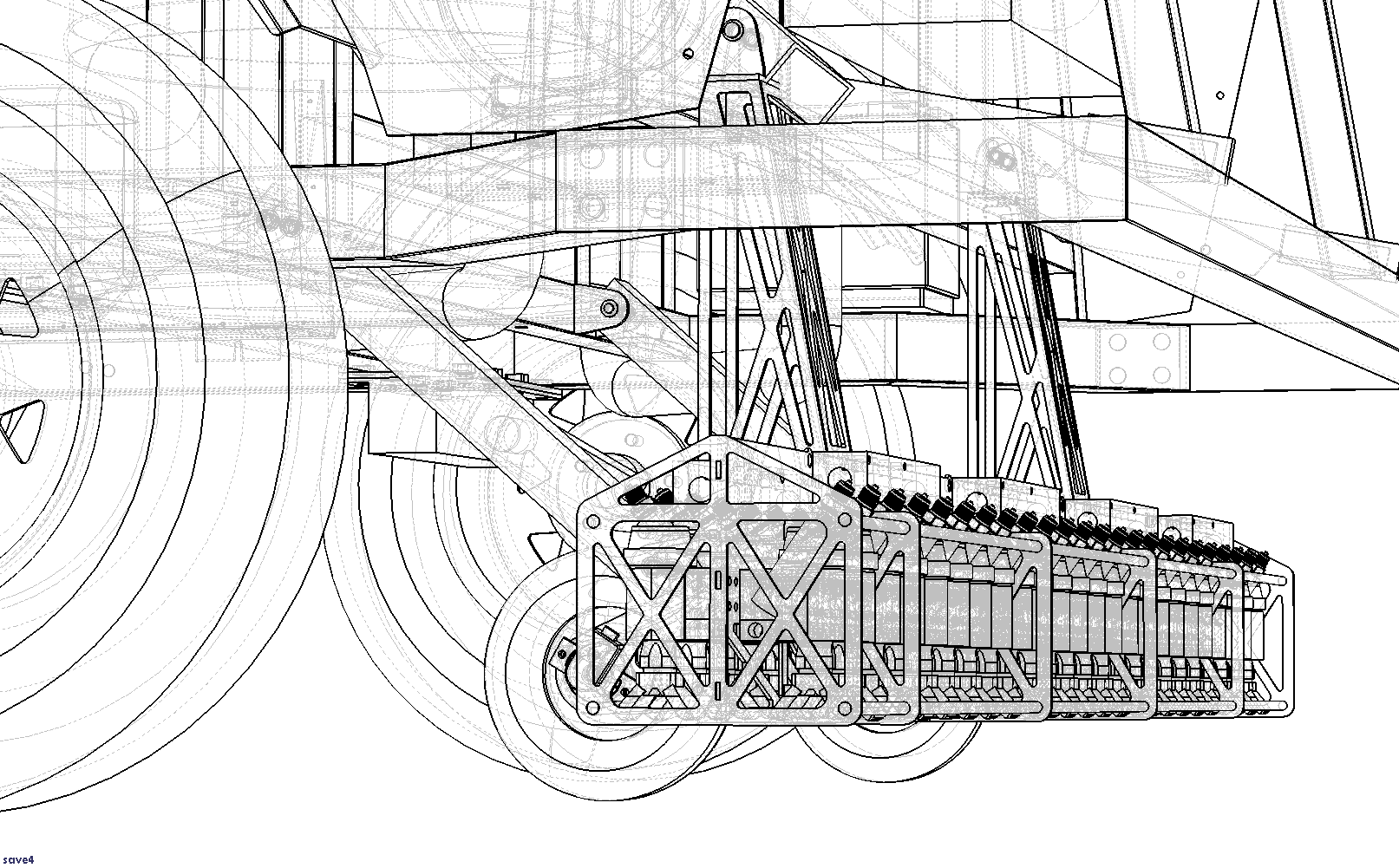
Take a minute to write an introduction that is short, sweet, and to the point. Take a minute to write an introduction that is short, sweet, and to the point. Take a minute to write an introduction that is short, sweet, and to the point.
Chalkbot

Take a minute to write an introduction that is short, sweet, and to the point. Take a minute to write an introduction that is short, sweet, and to the point. Take a minute to write an introduction that is short, sweet, and to the point.
Optoisolator
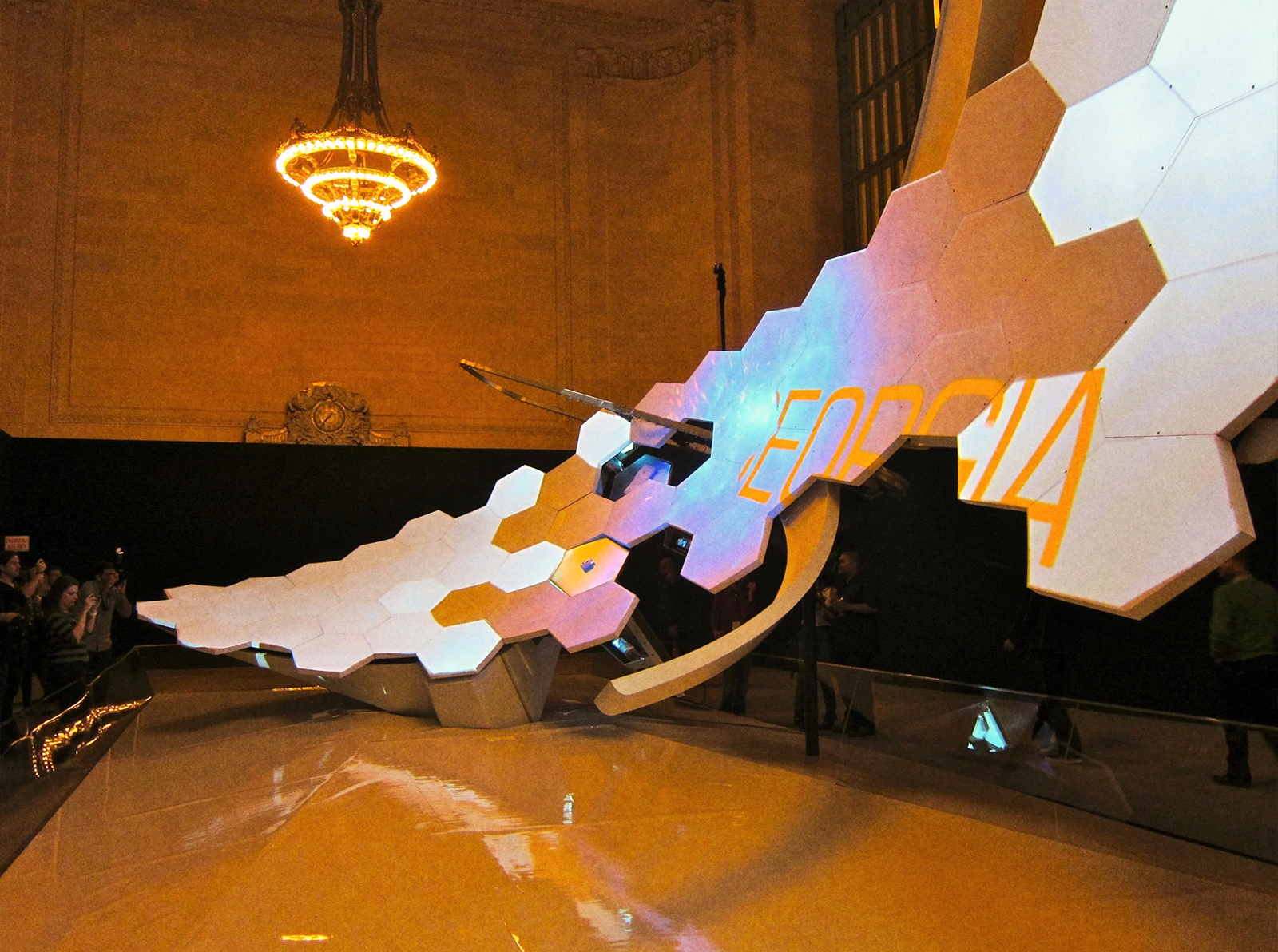
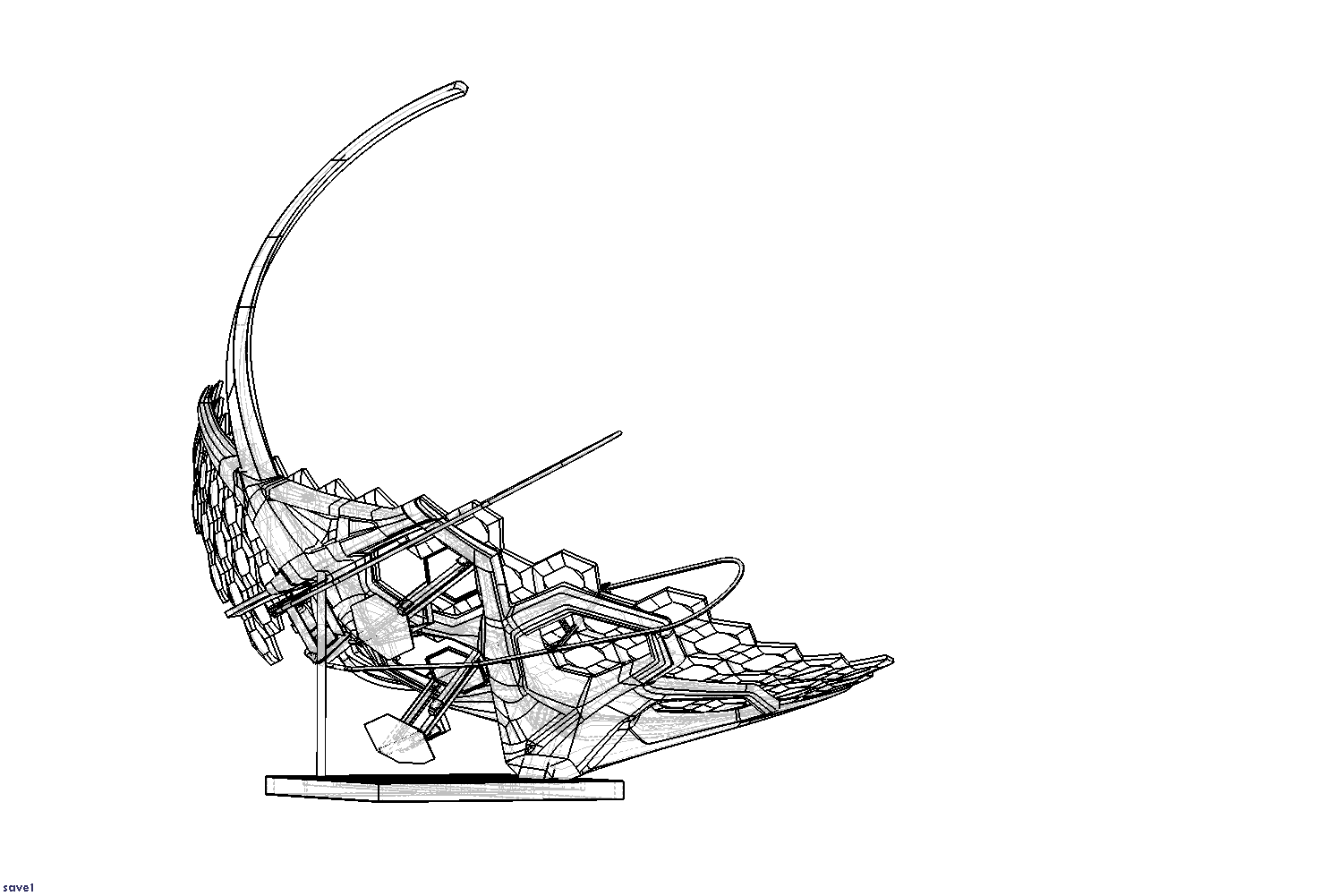
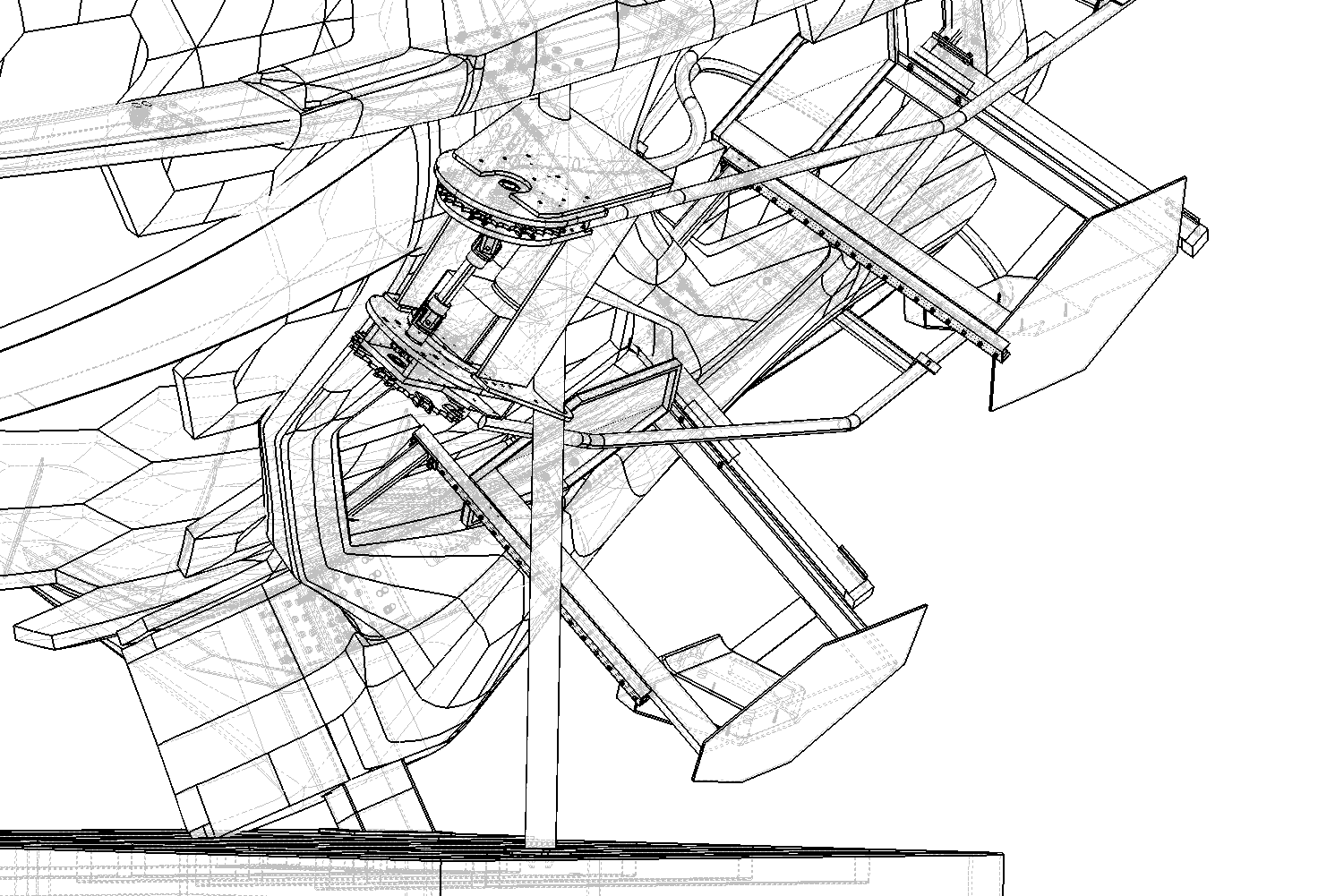
Take a minute to write an introduction that is short, sweet, and to the point. Take a minute to write an introduction that is short, sweet, and to the point. Take a minute to write an introduction that is short, sweet, and to the point.
La machine
The Offering
Take a minute to write an introduction that is short, sweet, and to the point. Take a minute to write an introduction that is short, sweet, and to the point. Take a minute to write an introduction that is short, sweet, and to the point.
Design
Take a minute to write an introduction that is short, sweet, and to the point. Take a minute to write an introduction that is short, sweet, and to the point. Take a minute to write an introduction that is short, sweet, and to the point.
Engineering
Take a minute to write an introduction that is short, sweet, and to the point. Take a minute to write an introduction that is short, sweet, and to the point. Take a minute to write an introduction that is short, sweet, and to the point.